


Shop Commercial Kitchen Equipment
Explore our most in-demand commercial kitchen equipment, selected for reliability, efficiency, and long-term performance in professional foodservice environments.


Compact Single Electric Hob Unit – 2 x 1.5kW Sealed Hot Plates, 6 Heat Settings, Stainless Steel, 13A Plug
Choose your option


Electric Infra-Red Sandwich Grill – Stainless Steel, Timer, Removable Crumb Tray, 3kW, Countertop or Wall Mounted
Choose your option


Electric Wet Bain Marie – 2 x 4L Pots, Thermostat Controlled, Stainless Steel, Countertop, Drain Tap
Choose your option


Electric Wet Bain Marie – 4 x 4L Stainless Steel Pots, Thermostat Control, Countertop, Drain Tap
Choose your option


Electric Quartz Lamp Hot Food Display Unit – Stainless Steel, Glass Sneeze Guard, 1kW, 825x505x547mm
Choose your option


Digital Electric Heated Pie Cabinet – 3-Rack, 0–80°C, Internal Light, Sliding Glass Doors, Stainless Steel
Choose your option


Commercial Double Electric Hob Unit – 4 Ring Countertop Cooker, Sealed Hot Plates, 6-Position Heat Control, 7kW
Choose your option


Carvery Servery with Heat Lamps – Stainless Steel Self-Service Hot Plate, 1kW, 825x505x737mm
Choose your option


LPG Gas Griddle – Dual Zone Cooking, Thermostatic Control, Stainless Steel, Mobile Catering Friendly
Choose your option


Digital Electric Heated Pie Cabinet – 60-Pie Capacity, Internal Light, Sliding Glass Doors, Stainless Steel
Choose your option


Electric Quartz Lamp Hot Food Display Unit – 1.3kW Stainless Steel Warmer with Glass Sneeze Guard
Choose your option


Countertop Electric Griddle – Stainless Steel, Thermostatic Control, 560x345mm Cooking Plate
Choose your option
Let customers speak for us
Great experience from start to finish. Easy to order and the equipment feels built to last.
Powerful enough to make my business run. I can only recommend



4-Burner LPG & Natural Gas Boiling Hob – Stainless Steel Countertop Cooker, Flame Failure Safety
Choose your option


Double Banqueting Trolley – High-Capacity Mobile Heated Cabinet, Stainless Steel, 2 x 13A Plug
Choose your option
Best Selling Commercial Equipment
Shop by Price
Find commercial equipment to match your budget without compromising on quality or performance.


LPG Double Pedestal Gas Fryer – 2x12L Commercial Deep Fryer, Thermostatic Control, Piezo Ignition
Choose your option


Heated Bain Marie Servery with Glass – Wet & Dry Heating, Counter Height, 1782mm, 2 x 13A Plugs
Choose your option


6-Zone Induction Hob – Pan Detection, 9 Power Levels, Power Boost, Melt & Keep Warm, 6mm Ceramic Glass
Choose your option


High-Capacity Wall-Mounted Heated Shelving Unit – 5 Shelves, 30–85°C, 1500mm Wide, Stainless Steel
Choose your option
Double Banqueting Trolley – High-Capacity Mobile Heated Cabinet, Stainless Steel, 2 x 13A Plug
Choose your option


Mobile Bain Marie Servery with Gantry – 1800mm Stainless Steel, Wet/Dry Heat, Digital Control, Heavy-Duty Castors
Choose your option


Mobile Bain Marie Servery – 1800mm Stainless Steel, Wet or Dry Heat, Digital Temperature Control, Sliding Doors, Castors
Choose your option


Mobile Bain Marie Servery – 1500mm Stainless Steel, Wet & Dry Heat, Digital Display, Sliding Doors, Castors, 4.3kW
Choose your option
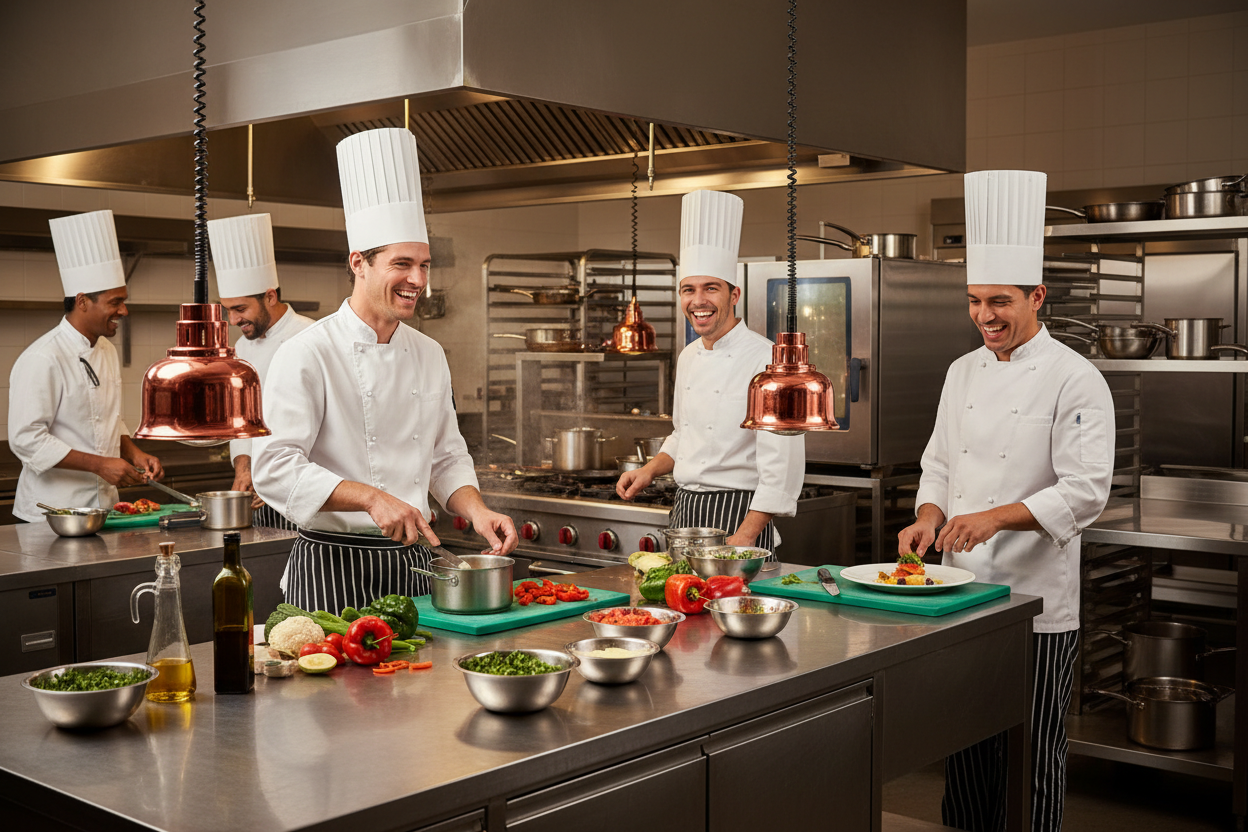
Not Sure What Equipment You Need?
Our specialists work with restaurants, cafés, and ghost kitchens every day. Get clear, practical advice on equipment selection, compliance, and setup before you buy.


Check Out Our Blog

The Complete Guide to Choosing Commercial Kitchen Equipment for UK Restaurants
Choosing the right commercial kitchen equipment is one of the most important decisions a restaurant owner will make. The equipment you select affects everything from food quality and service speed to energy costs, compliance, and long-term profitability. Unlike consumer appliances, commercial kitchen equipment is a significant capital investment and mistakes can be expensive to fix. This guide is designed to help UK restaurant owners understand what to look for when choosing commercial kitchen equipment, how to avoid common pitfalls, and how to make confident, informed decisions that support long-term success. Why Choosing the Right Equipment Matters Commercial kitchens operate under pressure. Equipment must perform consistently, meet strict UK regulations, and withstand daily high-volume use. Choosing the wrong equipment can result in frequent breakdowns, higher energy bills, compliance issues, and workflow inefficiencies that impact staff and customers alike. Well-chosen equipment, on the other hand, improves kitchen efficiency, reduces running costs, and supports smoother service. It also protects your investment by lasting longer and requiring less maintenance over time. Start With Your Menu and Service Style Before looking at brands or prices, the first step is understanding how your kitchen will operate. Ask yourself: What type of food will you be serving? How many covers will you serve during peak periods? Will your menu change seasonally or remain consistent? Is your operation dine-in, takeaway, delivery, or a mix? For example, a high-volume restaurant will prioritise speed, capacity, and durability, while a smaller café may focus on compact equipment and energy efficiency. Ghost kitchens may require flexible layouts and scalable equipment that can adapt as demand grows. Your menu and service model should always drive your equipment decisions, not the other way around. Understand the Core Equipment Categories Most UK restaurant kitchens require equipment across several core categories. Cooking equipmentThis includes ovens, ranges, grills, fryers, and hobs. The right choice depends on menu complexity, volume, and available space. Combi ovens, for example, offer flexibility and efficiency but require a higher upfront investment. Refrigeration and freezingReliable refrigeration is essential for food safety and compliance. Consider capacity, energy efficiency, and how frequently doors will be opened during service. Poor refrigeration choices often lead to higher energy bills and food waste. Food preparation equipmentMixers, slicers, processors, and prep tables improve speed and consistency. These are often overlooked during initial planning but make a significant difference to daily operations. WarewashingCommercial dishwashers must match your service volume. Undersized warewashing equipment creates bottlenecks that slow down service and increase labour pressure. Extraction and ventilationExtraction systems are critical for safety, comfort, and compliance. They are often regulated by local authorities and should be planned alongside cooking equipment. Plan Your Kitchen Layout Carefully Equipment selection should never be done without considering kitchen layout. Poor layout planning can lead to congestion, safety issues, and inefficient workflows. A well-designed kitchen layout: Reduces unnecessary movement Improves service speed Enhances staff safety Makes cleaning and maintenance easier This is where expert consultation can add significant value. Professional layout planning ensures equipment fits the space correctly, meets regulations, and supports smooth operations from day one. Prioritise Energy Efficiency and Running Costs Upfront cost is only part of the equation. Commercial kitchen equipment runs for long hours, and energy usage can have a major impact on operating expenses. Energy-efficient equipment may cost more initially but often delivers substantial savings over time. Look for: High energy ratings Modern insulation and heat retention Efficient water usage in warewashing equipment Smart controls that reduce unnecessary power consumption In many cases, the total cost of ownership over five to ten years is far more important than the purchase price alone. Ensure UK Compliance and Certifications UK commercial kitchens must meet strict regulatory requirements. Equipment should always be compliant with relevant standards and certifications. Common certifications and requirements include: CE marking Gas Safe compliance for gas appliances WRAS approval for water-related equipment Electrical safety standards Non-compliant equipment can result in failed inspections, fines, or forced replacements. Always ensure compliance is confirmed before purchase and installation. Avoid Common Equipment Buying Mistakes Many restaurant owners make similar mistakes when choosing equipment. Buying based on price alone often leads to poor durability and higher long-term costs. Over-specifying equipment can also be an issue, resulting in unnecessary expense and wasted space. Another common mistake is failing to plan for future growth. Equipment that works today may not support increased volume or menu expansion later. Finally, underestimating installation, ventilation, and maintenance requirements can cause delays and unexpected costs. Consider Equipment Packages and Expert Support For many restaurants, especially new openings, equipment packages offer a practical solution. These bundles are designed to work together, ensuring compatibility, efficiency, and compliance. Working with a specialist supplier who offers consultation, installation support, and after-sales service reduces risk and saves time. Expert guidance helps ensure equipment is fit for purpose and avoids costly mistakes. Think Long Term, Not Just Launch Day Choosing commercial kitchen equipment is not just about opening day. Equipment should support your restaurant for years to come. Consider: Warranty coverage and service availability Access to replacement parts Maintenance requirements Supplier support after installation Reliable support and service can be just as important as the equipment itself. Final Thoughts Choosing commercial kitchen equipment is a complex decision, but with the right approach it does not need to be overwhelming. By starting with your menu and service model, planning your layout carefully, prioritising efficiency and compliance, and seeking expert guidance, you can build a kitchen that supports your business now and in the future. At KitchenLine Pro, we help UK restaurant owners make confident equipment decisions through expert advice, transparent guidance, and commercial-grade solutions designed for real hospitality environments. If you are planning a new kitchen or upgrading an existing one, speaking with an equipment specialist before you buy can save time, money, and stress.

Ghost Kitchens Explained: Essential Equipment You Need to Launch and Scale
Ghost kitchens, also known as cloud kitchens or delivery-only kitchens, have become one of the fastest-growing segments in the UK hospitality industry. With lower overheads, flexible locations, and growing demand from food delivery platforms, ghost kitchens offer a compelling opportunity for new and established food businesses. However, while ghost kitchens remove the need for front-of-house space, they still require carefully planned, commercial-grade kitchen equipment to operate efficiently, compliantly, and profitably. This guide explains what ghost kitchens are, how they differ from traditional restaurants, and the essential equipment required to launch and scale successfully. What Is a Ghost Kitchen A ghost kitchen is a professional food production space designed exclusively for delivery or takeaway. There is no dine-in area, no customer-facing service, and no traditional restaurant layout. Orders are typically fulfilled through delivery platforms or direct online ordering systems. Because ghost kitchens focus purely on food production, efficiency and workflow become even more critical. Equipment choices directly affect speed, consistency, operating costs, and the ability to handle peak demand. Why Equipment Choices Matter More in Ghost Kitchens Ghost kitchens often operate in smaller spaces with high order volumes and tight turnaround times. Equipment must work harder, for longer hours, and with minimal downtime. Poor equipment choices can result in: Slower preparation times Bottlenecks during peak delivery windows Increased maintenance and breakdowns Higher energy costs Compliance issues that delay launch Choosing the right commercial kitchen equipment from the start helps avoid these risks and creates a setup that can grow alongside the business. Key Differences Between Ghost Kitchens and Restaurants Understanding how ghost kitchens differ from traditional restaurants helps guide equipment selection. Ghost kitchens typically: Operate in compact or shared spaces Run multiple brands from one kitchen Experience sharp peak periods linked to delivery demand Require flexible, scalable layouts Prioritise speed and consistency over presentation These factors influence everything from cooking equipment capacity to refrigeration layout and warewashing requirements. Essential Cooking Equipment for Ghost Kitchens Cooking equipment forms the backbone of any ghost kitchen. The exact setup depends on cuisine type, but efficiency and versatility are always priorities. Common essentials include: Commercial fryers for fast, high-volume output Griddles or chargrills for versatile cooking Convection or combi ovens for flexibility and space efficiency Induction or gas hobs depending on menu requirements Combi ovens are particularly popular in ghost kitchens because they allow multiple cooking methods in a single unit, saving space and improving consistency. Refrigeration and Cold Storage Reliable refrigeration is essential in delivery-only operations, where ingredient freshness and food safety are critical. Ghost kitchens should plan for: Upright refrigeration for frequently used ingredients Undercounter fridges to support prep stations Freezers for batch cooking and storage Clear separation between raw and cooked items Energy efficiency is especially important, as refrigeration runs continuously and contributes significantly to operating costs. Food Preparation Equipment Efficient prep reduces labour costs and improves order consistency. Key prep equipment often includes: Food processors and mixers Prep tables with integrated refrigeration Portioning and measuring tools Shelving and storage systems designed for tight spaces Prep equipment should be selected with workflow in mind, ensuring staff can move efficiently from storage to prep to cooking. Warewashing and Hygiene Even without dine-in service, ghost kitchens generate a high volume of utensils, containers, and cookware. Commercial dishwashers should be chosen based on: Expected order volume Available space Turnaround speed requirements Adequate hand wash stations, sinks, and hygiene equipment are also essential to meet UK health and safety standards. Extraction, Ventilation, and Compliance Extraction systems are one of the most commonly underestimated elements of ghost kitchen planning. Commercial cooking equipment produces heat, grease, and odours that must be managed safely and legally. Proper extraction: Protects staff comfort and safety Prevents equipment overheating Supports regulatory compliance Reduces long-term maintenance issues Local councils and environmental health officers often have strict requirements, making early planning essential. Designing for Scalability One of the biggest advantages of ghost kitchens is scalability. Equipment should support growth without requiring a complete rebuild. Scalable planning includes: Selecting equipment that can handle higher volumes Allowing space for additional appliances Using modular layouts that adapt to new brands or menus Choosing durable equipment that withstands extended operating hours Planning for growth from day one reduces disruption and future costs. Typical Equipment Investment for Ghost Kitchens While costs vary by cuisine and size, a typical ghost kitchen equipment investment can range from tens of thousands of pounds upwards. Factors influencing cost include: Equipment quality and brand Energy efficiency features Installation and extraction requirements Compliance and certification needs While budget is always a consideration, focusing solely on upfront cost often leads to higher expenses over time. Why Expert Guidance Matters Ghost kitchens move quickly, and mistakes can delay launch or damage profitability. Working with an equipment specialist provides: Guidance on layout and workflow Support with compliance and certifications Equipment recommendations tailored to cuisine and volume Access to installation and after-sales support Expert-led planning reduces risk and allows operators to focus on building their brand and customer base. Final Thoughts Ghost kitchens offer a powerful opportunity for modern food businesses, but success depends on more than just a strong concept. The right commercial kitchen equipment is essential for efficiency, compliance, and long-term growth. By understanding your menu, planning your layout carefully, prioritising energy efficiency, and choosing scalable, commercial-grade equipment, you can build a ghost kitchen designed to perform under pressure. At KitchenLine Pro, we support ghost kitchen operators with expert advice, compliant equipment solutions, and practical guidance from setup through to scale. If you are planning a delivery-only kitchen or expanding into a ghost kitchen model, speaking with an equipment specialist before you buy can help you launch faster and grow with confidence.

Commercial Kitchen Compliance in the UK: Equipment Standards Every Operator Must Know
Running a commercial kitchen in the UK comes with strict legal and safety responsibilities. Compliance is not optional, and failing to meet equipment standards can lead to failed inspections, costly delays, fines, or even forced closure. Whether you are opening a new restaurant, upgrading an existing kitchen, or launching a ghost kitchen, understanding commercial kitchen compliance is essential. This guide explains the key UK equipment standards every operator should be aware of, why compliance matters, and how to ensure your kitchen meets regulatory requirements from day one. Why Commercial Kitchen Compliance Matters Commercial kitchen compliance exists to protect public health, staff safety, and operational standards. Environmental health officers, gas inspectors, and local authorities all have the power to assess your kitchen and enforce compliance. Non-compliant equipment can result in: Delays to opening or reopening Failed health and safety inspections Financial penalties or fines Increased insurance risk Damage to brand reputation Compliant equipment helps ensure food safety, efficient operation, and long-term business stability. Who Regulates Commercial Kitchens in the UK Several bodies and regulations influence commercial kitchen compliance in the UK. Key authorities include: Local council Environmental Health departments The Health and Safety Executive Gas Safe Register Water regulations advisory bodies Electrical safety standards organisations While responsibilities vary depending on equipment type and fuel source, the operator is ultimately responsible for ensuring all equipment is compliant and safely installed. CE Marking and UKCA Marking Commercial kitchen equipment sold in the UK must meet recognised safety standards. Most equipment should carry: CE marking for products meeting EU safety requirements UKCA marking for products meeting UK conformity standards post-Brexit These markings indicate the equipment meets essential health, safety, and environmental protection standards. Equipment without appropriate markings may fail inspections or be prohibited from use. Always confirm certification before purchase, particularly when sourcing equipment online. Gas Safety and Gas Safe Compliance Gas-powered equipment such as ovens, ranges, grills, and fryers must meet strict safety requirements. Key requirements include: Installation by a Gas Safe registered engineer Equipment approved for commercial use Correct ventilation and extraction Regular servicing and safety checks Using non-compliant gas equipment or incorrect installation is one of the most common reasons for failed inspections and enforcement action. Electrical Safety Standards Electrical commercial kitchen equipment must comply with UK electrical safety regulations. This includes: Equipment manufactured to recognised safety standards Correct electrical load planning Safe installation by qualified professionals Routine inspection and testing where required Overloading circuits or using unsuitable electrical equipment increases fire risk and can invalidate insurance policies. Water Regulations and WRAS Approval Any equipment connected to the mains water supply must comply with water safety regulations. WRAS approval ensures: No risk of water contamination Proper backflow prevention Safe materials and fittings Equipment such as dishwashers, ice machines, and combination ovens often require WRAS-compliant components. Non-compliant equipment can result in enforcement action from water authorities. Extraction, Ventilation, and Fire Safety Extraction and ventilation are critical compliance areas often underestimated during kitchen planning. Commercial cooking generates heat, grease, smoke, and odours that must be safely managed. Key considerations include: Adequate extraction hoods sized for equipment output Grease filtration systems Fire suppression where required Regular cleaning and maintenance Poor ventilation can lead to unsafe working conditions, equipment failure, and non-compliance with local authority requirements. Food Safety and Hygiene Requirements Commercial kitchens must comply with food safety and hygiene regulations enforced by Environmental Health Officers. Equipment must: Be easy to clean and sanitise Be constructed from food-safe materials Allow separation of raw and cooked food Support safe storage temperatures Damaged, worn, or unsuitable equipment can compromise food safety and lead to poor inspection outcomes. Planning Permission and Local Authority Requirements In some cases, installing or upgrading commercial kitchen equipment may require planning approval or landlord consent. This is particularly relevant for: Extraction systems External ducting Noise and odour control measures Structural changes Local authority requirements vary, so early consultation is essential to avoid delays. Documentation and Record Keeping Compliance is not just about equipment, it also involves documentation. Operators should maintain records for: Installation certificates Gas Safe documentation Electrical safety reports Equipment manuals Maintenance and servicing logs Having documentation readily available demonstrates due diligence and helps inspections run smoothly. Common Compliance Mistakes to Avoid Many compliance issues arise from avoidable mistakes. Common errors include: Buying equipment without confirming certification Skipping professional installation Underestimating extraction requirements Failing to plan for local authority regulations Ignoring ongoing maintenance responsibilities These mistakes often cost more to fix later than doing things correctly from the start. The Role of Expert Equipment Support Working with a specialist commercial kitchen equipment supplier can significantly reduce compliance risk. Expert support provides: Guidance on compliant equipment selection Advice on layout and ventilation planning Coordination with installers and engineers Ongoing support and maintenance options This approach helps operators avoid delays and ensures kitchens are built to meet both operational and regulatory expectations. Final Thoughts Commercial kitchen compliance in the UK is complex, but it is essential for safe, legal, and successful operations. Understanding equipment standards, certifications, and installation requirements protects your business and creates a strong foundation for growth. By prioritising compliance from the planning stage, choosing certified commercial-grade equipment, and working with experienced specialists, operators can avoid costly mistakes and open with confidence. At KitchenLine Pro, we support hospitality businesses with compliant commercial kitchen equipment, expert guidance, and practical support from selection through to installation. If you are planning a new kitchen or upgrading existing equipment, speaking with a specialist early can help ensure your setup meets UK standards and operates safely from day one.
